
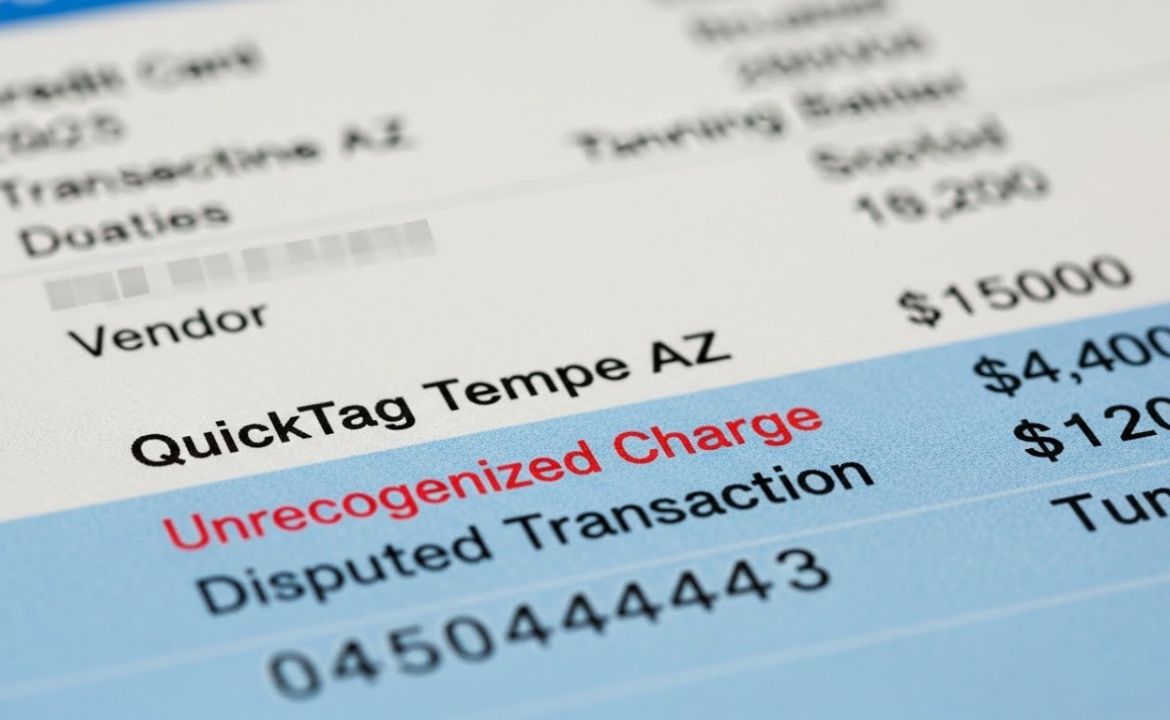
Have you ever checked your credit card statement and found a charge that made you scratch your head? If you’ve spotted a “Quicktag Tempe AZ” transaction that you don’t remember making, you’re not alone. Thousands of cardholders discover unfamiliar charges on their statements every month, and it can be frustrating when you can’t immediately identify where the money went.
This comprehensive guide will walk you through everything you need to know about the Quicktag Tempe AZ charge on credit card unrecognized transactions. We’ll explain what Quicktag is, why this charge might appear on your statement, how to verify if it’s legitimate, and what steps to take if you believe it’s fraudulent. By the end of this article, you’ll have a clear action plan to resolve any confusion about this mysterious charge.
Understanding What Quicktag Actually Is
Before you panic about an unrecognized charge, it helps to understand what Quicktag actually does. Quicktag is a toll collection system used primarily in Arizona for electronic toll payment. The company operates electronic toll collection services that allow drivers to pay tolls automatically without stopping at toll booths.
The Tempe, Arizona location in the charge description indicates that this is the billing center or processing location for the transaction. Many drivers who use Arizona highways with electronic toll systems may see this charge appear on their credit card statements, especially if they’ve driven through toll roads in the Phoenix metropolitan area.
Quicktag works similarly to other electronic toll systems like E-ZPass on the East Coast or FasTrak in California. When you drive through a toll point equipped with electronic readers, the system automatically captures your vehicle information and charges the registered payment method.
Why the Quicktag Tempe AZ Charge Appears on Your Statement
There are several legitimate reasons why you might see a Quicktag Tempe AZ charge on credit card unrecognized by you initially. Understanding these scenarios can help you determine whether the charge is valid or requires further investigation.
Recent Travel to Arizona
If you’ve traveled to Arizona recently, especially around the Phoenix or Tempe area, you may have used toll roads without realizing it. Some highways have converted to cashless toll collection, which means there are no physical toll booths where you can pay with cash. Instead, cameras capture your license plate, and the system bills you later.
Rental Car Toll Charges
Did you rent a car during your last trip? Many rental car companies automatically enroll their vehicles in electronic toll programs. When you drive through a toll area, the charge gets processed through the rental company’s system, which then bills your credit card. The transaction might show up as “Quicktag Tempe AZ” even though you rented the car from a completely different company.
Family Member or Authorized User Transactions
Another common scenario involves authorized users on your credit card account. If a family member or friend who has access to your card traveled to Arizona and used toll roads, their toll charges would appear on your shared statement. This explains many cases of the Quicktag Tempe AZ charge on credit card unrecognized by the primary cardholder.
Delayed Processing
Toll charges don’t always post to your credit card immediately. Some toll systems batch their charges and process them weeks or even months after you actually used the toll road. If you visited Arizona several weeks ago, you might not make the connection between your trip and a charge that appears on this month’s statement.
How to Verify If the Charge Is Legitimate
When you spot an unfamiliar transaction, your first step should be verification rather than immediate dispute. Here’s a systematic approach to determine if the Quicktag Tempe AZ charge on credit card unrecognized is actually legitimate.
Check Your Recent Travel History
Pull up your calendar and review where you’ve been over the past two to three months. Did you take any trips to Arizona? Did you have a layover in Phoenix? Sometimes even brief visits can result in toll charges if you drove through certain areas.
Review Your Receipt Collection
Go through any travel receipts you’ve saved, including rental car agreements, gas station receipts from Arizona, or hotel confirmations in the Phoenix area. These documents can help jog your memory about trips you might have forgotten.
Contact Quicktag Directly
The most direct way to verify a charge is to contact Quicktag customer service. They can provide detailed information about the specific transaction, including the date, time, location, and vehicle information associated with the toll charge. Their representatives can look up transactions using your credit card number and provide clarity about charges you don’t recognize.
Check With Authorized Card Users
If you share your credit card with a spouse, partner, or family member, ask them if they’ve recently traveled to Arizona or used any toll roads. This simple conversation resolves many cases of unrecognized charges.
Examine the Charge Amount
Look at the dollar amount of the Quicktag charge. Toll charges typically range from a few dollars to perhaps twenty or thirty dollars, depending on how many toll points you passed through. If the amount seems consistent with typical toll charges, it’s more likely to be legitimate than fraudulent.
Steps to Take If You Don’t Recognize the Charge
If you’ve gone through the verification process and still can’t identify the source of the Quicktag Tempe AZ charge on credit card unrecognized, it’s time to take action. Here’s what you should do next.
Document Everything
Before you do anything else, take screenshots or photos of the charge on your statement. Write down the exact transaction date, amount, and any reference numbers associated with the charge. This documentation will be valuable if you need to dispute the transaction.
Contact Your Credit Card Company
Call the customer service number on the back of your credit card. Explain that you have an unrecognized charge and provide them with all the details. Most credit card companies have fraud protection policies and can temporarily remove the charge while they investigate.
According to recent industry reports, credit card fraud affects approximately 127 million Americans each year, with the average fraudulent charge being around $62. Credit card companies take these reports seriously and have established procedures to protect cardholders.
File a Formal Dispute
If your credit card company agrees that the charge appears suspicious, they’ll guide you through filing a formal dispute. This process typically involves filling out a dispute form and providing any evidence that supports your claim that you didn’t authorize the transaction.
Request Transaction Details from Quicktag
Simultaneously contact Quicktag and request detailed information about the transaction in question. Ask for the license plate number, vehicle make and model, date and time of toll usage, and specific toll location. If this information doesn’t match any vehicle you own or have used, it strengthens your dispute case.
Monitor Your Account Closely
After reporting an unrecognized charge, keep a close eye on your credit card statement for the next several billing cycles. If one fraudulent charge appears, there’s a possibility that additional unauthorized transactions might follow. Early detection helps minimize potential losses.
Common Reasons for Billing Descriptor Confusion
Sometimes the issue isn’t fraud or unauthorized use. Instead, it’s simply that the way the charge appears on your statement doesn’t match your expectation. This phenomenon, called billing descriptor confusion, accounts for many unrecognized charge inquiries.
Quicktag might appear on your statement in various ways depending on how your credit card company formats transaction descriptions. You might see variations like “QUICKTAG TEMPE AZ,” “QKTAG TEMPE,” or other abbreviated versions. If you’re not familiar with toll collection services in Arizona, you wouldn’t naturally connect this descriptor to a toll charge.
Real-life example: Jennifer from California rented a car during a Phoenix business conference. Two months later, she saw a $15.50 charge from Quicktag Tempe AZ and didn’t recognize it. After calling Quicktag, she learned it was for tolls she accumulated driving to and from her hotel during the three-day conference. The delayed posting and unfamiliar company name had caused the confusion.
Protecting Yourself from Future Unrecognized Charges
Whether the Quicktag Tempe AZ charge on credit card unrecognized turns out to be legitimate or fraudulent, you can take steps to prevent confusion and protect yourself going forward.
Set Up Transaction Alerts
Most credit card companies offer real-time transaction alerts via text message or email. Enable these notifications so you’re informed immediately when any charge posts to your account. This allows you to verify transactions while they’re fresh in your memory.
Keep Detailed Travel Records
When you travel, especially to areas you’re not familiar with, keep notes about where you drive and what services you use. A simple note in your phone about “drove through toll area on Highway 101” can prevent confusion weeks later when the charge appears.
Understand Toll Systems Before You Travel
Before visiting a new state, research their toll collection systems. Knowing in advance that Arizona uses electronic toll collection under the Quicktag name prepares you to recognize these charges on your statement.
Review Rental Car Agreements Carefully
When renting a car, read the section about tolls carefully. Many rental companies charge convenience fees on top of the actual toll amount. Understanding these policies helps you anticipate charges and recognize them when they appear.
Use Credit Cards Instead of Debit Cards
Credit cards offer better fraud protection than debit cards. If an unrecognized charge turns out to be fraudulent, it’s easier to dispute and you’re not out actual cash from your bank account while the investigation proceeds.
The Dispute Resolution Process Explained
If you’ve determined that the Quicktag Tempe AZ charge on credit card unrecognized is indeed unauthorized, understanding the dispute process helps you know what to expect.
Initial Investigation Period
Once you file a dispute, your credit card company has specific timeframes they must follow under the Fair Credit Billing Act. They typically must acknowledge your dispute in writing within 30 days and resolve it within two billing cycles (but not more than 90 days).
Provisional Credit
Many credit card companies will issue a provisional credit to your account while they investigate. This means they temporarily remove the disputed charge, so you’re not paying interest on an amount you claim you don’t owe.
Merchant Response
The credit card company will contact Quicktag and request documentation proving that the charge was legitimate. Quicktag might provide vehicle information, photos from toll cameras, or other evidence that the toll was actually incurred.
Final Resolution
After reviewing all evidence from both sides, the credit card company makes a final determination. If they find in your favor, the charge is permanently removed. If they determine the charge was valid, it’s reinstated to your account, and you’re responsible for paying it.
Statistics show that approximately 60% of credit card disputes are resolved in favor of the cardholder, particularly when the charges are genuinely fraudulent or when insufficient evidence exists to prove the charge was authorized.
When to Consider Identity Theft
While most cases of Quicktag Tempe AZ charge on credit card unrecognized are due to legitimate but forgotten transactions or billing descriptor confusion, some situations warrant concern about potential identity theft or credit card fraud.
Warning Signs of Fraud
You should be particularly concerned if you notice multiple small charges from different merchants you don’t recognize, charges from locations you’ve never visited, or a pattern of suspicious activity. Criminals often start with small “test charges” to see if a stolen card number works before making larger purchases.
Steps to Take If You Suspect Fraud
If you believe your credit card information has been compromised, take immediate action. Contact your credit card company to report suspected fraud and request a new card with a new account number. Place a fraud alert on your credit reports by contacting one of the three major credit bureaus (Equifax, Experian, or TransUnion). Consider freezing your credit to prevent new accounts from being opened in your name.
Monitoring Your Credit Reports
Federal law entitles you to one free credit report from each of the three major credit bureaus every year. Take advantage of this by reviewing your reports regularly to catch any unfamiliar accounts or inquiries that might indicate identity theft.
Understanding Your Rights as a Consumer
When dealing with unrecognized charges, it’s important to know that you have legal protections. The Fair Credit Billing Act gives consumers the right to dispute billing errors and limits liability for unauthorized credit card charges.
Limited Liability Protection
Under federal law, your maximum liability for unauthorized credit card charges is $50. However, most major credit card companies have zero-liability policies, meaning you won’t be held responsible for any fraudulent charges if you report them promptly.
Right to Dispute Charges
You have the right to dispute any charge that you believe is incorrect, unauthorized, or for goods or services you didn’t receive. The credit card company must investigate your dispute and cannot report you as delinquent to credit bureaus for the disputed amount while the investigation is ongoing.
Time Limits for Disputes
You must report billing errors within 60 days of the statement date on which the error appeared. This is why regularly reviewing your credit card statements is so important. Don’t wait months to report a suspicious charge, as you might lose your dispute rights.
Real Cases and Examples
Understanding how others have dealt with similar situations can provide valuable insights. Here are some real-world scenarios involving unrecognized toll charges.
Case Study 1: The Forgotten Road Trip
Mark from Nevada saw a $23 Quicktag charge and initially didn’t recognize it. After reviewing his calendar, he remembered a weekend trip to Scottsdale three weeks earlier where he drove through several toll points on Loop 101. The delayed processing had caused him to forget about the tolls until the charge appeared on his statement.
Case Study 2: The Rental Car Surprise
Lisa rented a car at Phoenix Sky Harbor Airport for a business trip. Her rental agreement mentioned toll fees, but she didn’t pay much attention. Two months later, she saw multiple small Quicktag charges totaling $47. After contacting Quicktag, she learned these were from her daily commute during the business trip. The rental car company had enrolled the vehicle in the toll program.
Case Study 3: License Plate Mix-Up
David received a Quicktag charge despite never visiting Arizona. After disputing the charge and requesting detailed information, Quicktag discovered that their camera system had misread a license plate number. The vehicle that actually incurred the tolls had a similar plate number. Quicktag corrected their error and removed the charge from David’s account.
These examples demonstrate that while the Quicktag Tempe AZ charge on credit card unrecognized can cause initial confusion, there’s usually a logical explanation that can be uncovered through investigation.
Conclusion: Taking Control of Your Credit Card Charges
Discovering an unrecognized charge on your credit card statement can be unsettling, but it doesn’t have to be a crisis. When you see a Quicktag Tempe AZ charge on credit card unrecognized, remember that there’s often a simple explanation related to electronic toll collection in Arizona.
Start by reviewing your recent travel history and checking with any authorized users on your account. Contact Quicktag directly to get detailed transaction information, and don’t hesitate to reach out to your credit card company if something doesn’t add up. The dispute process exists to protect consumers like you, and credit card companies are generally very helpful in resolving billing questions.
Most importantly, use this experience as a reminder to regularly review your credit card statements, set up transaction alerts, and keep good records of your spending and travel. These simple habits can prevent confusion and help you quickly identify any truly fraudulent activity.
If the charge turns out to be legitimate, you’ll have peace of mind. If it’s fraudulent, you’ll have taken the right steps to protect yourself and resolve the issue. Either way, you’re now equipped with the knowledge and tools to handle unrecognized charges confidently.
Have you encountered an unrecognized charge on your credit card? Take action today by reviewing your statements, setting up alerts, and contacting your card issuer if anything looks suspicious. Your financial security is worth the few minutes it takes to stay vigilant.